Recycling focus maximises Hush Acoustics’ insulation sustainability
Posts by Russell in Press Release
Acoustic insulation products and fully-tested systems from Hush Acoustics are an ideal fit for
sustainable building designs thanks to the high levels of recycled materials used in their manufacture
and easy post-use recyclability.
As the construction industry increasingly adopts a design, specification and build process that is
consistent with the circular economy, the resources and raw materials needed to produce building
materials and what happens to them at the end of their service life are coming under closer scrutiny.
The drain on often finite resources is a threat to the ability of future generations to produce
everyday products, so it is important that specification decisions consider resource use as a priority.
The good news is that where Hush Acoustics’ sound insulation products are concerned, the
composition of the materials used to provide resilient layers and/or the density needed to reduce
sound transmission already includes high levels of post-consumer waste products. This, combined
with Hush Acoustics’ FSC certification for timber products and use of metals which routinely contain
a large proportion of recycled metal ensures customers can choose Hush Acoustics products with
confidence.
Recycled fibres for Hush-Felt

Many Hush Acoustics’ products utilise Hush-Felt to provide a resilient layer, which is extremely
important to reduce impact sounds on separating floors.
Hush-Felt is used in market-leading Hush Acoustics products including Hush-Panel 28, the UK’s most specified acoustic floor panel, and Hush-Batten 55, which is often used to create an additional void in acoustic floor designs.
Hush-Felt is formulated using fibres from post-consumer waste, typically carpets, to create a
material with a high density and high ‘bounce’ resistance. It is also unaffected by heating pipes and
sealed elements and does not compress, harden or deteriorate over time – all of this combines to
make Hush-Felt an incredibly versatile sound-reducing product.
Giving new purpose to recycled rubber
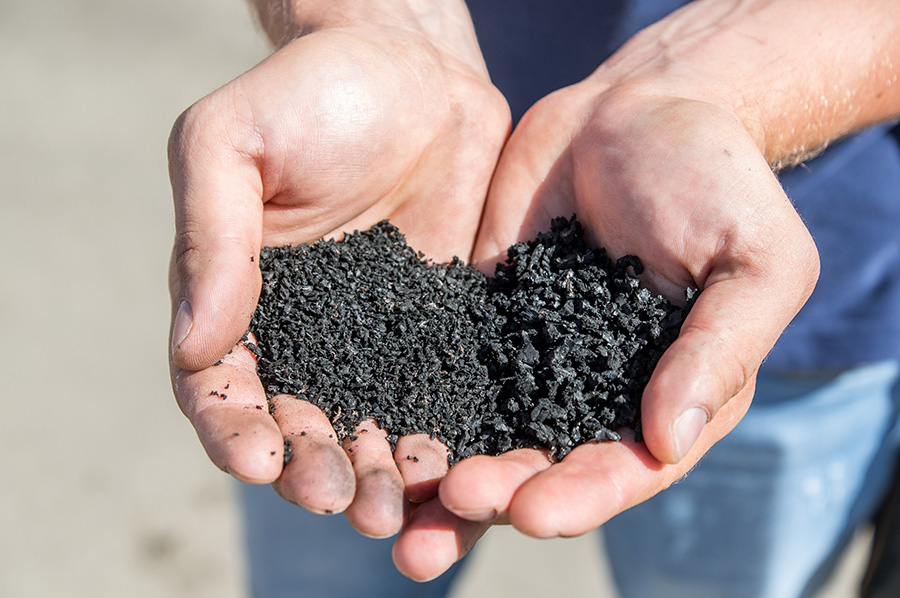
Another material that is ideal for acoustic control products is rubber – particularly for concrete and
masonry separating floors. The Hush Acoustic range includes a number of rubber-based membranes,
including underlay for different types of flooring and barrier mats, plus resilient seatings used for
isolating timber joists.
Whilst the composition varies by product, recycled rubber from post-consumer waste including car
tyres is used as much as possible. In fact, some Hush Acoustics rubber-based products contain as
much as 90% recycled material.
Recycled rubber is combined with other raw materials to suit, such as cork bound with a polymer
binder in the case of the widely specified Hush Over Screed Acoustic Membrane.
Long service life – fit and forget once installed

All Hush Acoustics sound insulation products are designed to offer consistently good performance
throughout the lifespan of the building. Rubber and Hush-Felt based resilient products will not
deteriorate over time, maximising longevity, and minimising the need for premature replacement or
earlier-than-expected upgrades.
The products and systems available from Hush Acoustics also enable architects and developers to
futureproof building designs. Compliance with UK Building Regulations today may be regarded as the
minimum given the performance capabilities of many Hush Acoustics solutions, which can far exceed
requirements when designed correctly.
As a result, these sound insulation products and systems can offer another sustainability boost
because designing to a higher standard reduces the potential for acoustic upgrading in the near
future.
Sustainably responsible manufacturing
Another dimension to assessing the sustainability of the supply chain is to consider the way products
are manufactured. Again, Hush Acoustics seeks to optimise its offer in this area.
All Hush Acoustics products are manufactured here in the UK using raw materials from trusted
suppliers across the world. As a result, transport distances of the finished products are minimised,
and Hush has greater control over the manufacturing processes.
All process waste, such as timber offcuts and packaging, is re-used or recycled as much as possible to
minimise landfill waste, and the plant is operated with a sharp focus on energy efficiency, so
electricity use and heating are kept to a minimum.